AI Integration

Automate the work nobody wants to do.

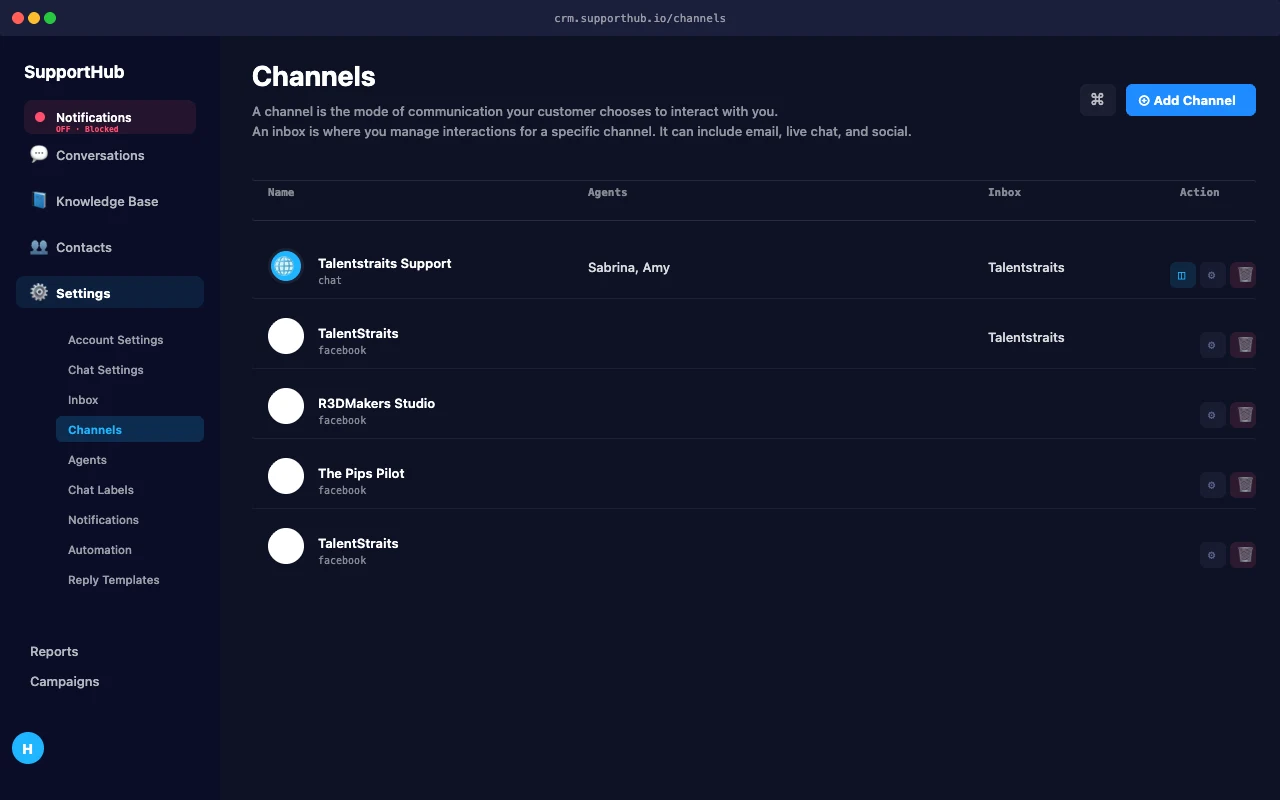
The best AI projects usually are not new products. They are the repetitive, error-prone work already happening inside your existing systems: reading documents, moving data, producing the same report every week, done automatically and correctly.

In one paragraph

AGI Software Solutions provides AI integration services: we add AI capabilities to the software your team already runs — ERP, CRM, helpdesk, internal tools — rather than replacing it. Typical integrations include document processing, automated reporting, intelligent search and LLM-powered features inside your own product, connected through your existing APIs or an MCP server so every AI assistant can use them safely.

What We Build

Fit into the workflow, do not replace it.

Automation that asks people to work somewhere new mostly gets abandoned. We build into the tools your team already opens, so the change is that a task stops needing doing rather than that there is another system to learn.

Documents

Reading, not retyping

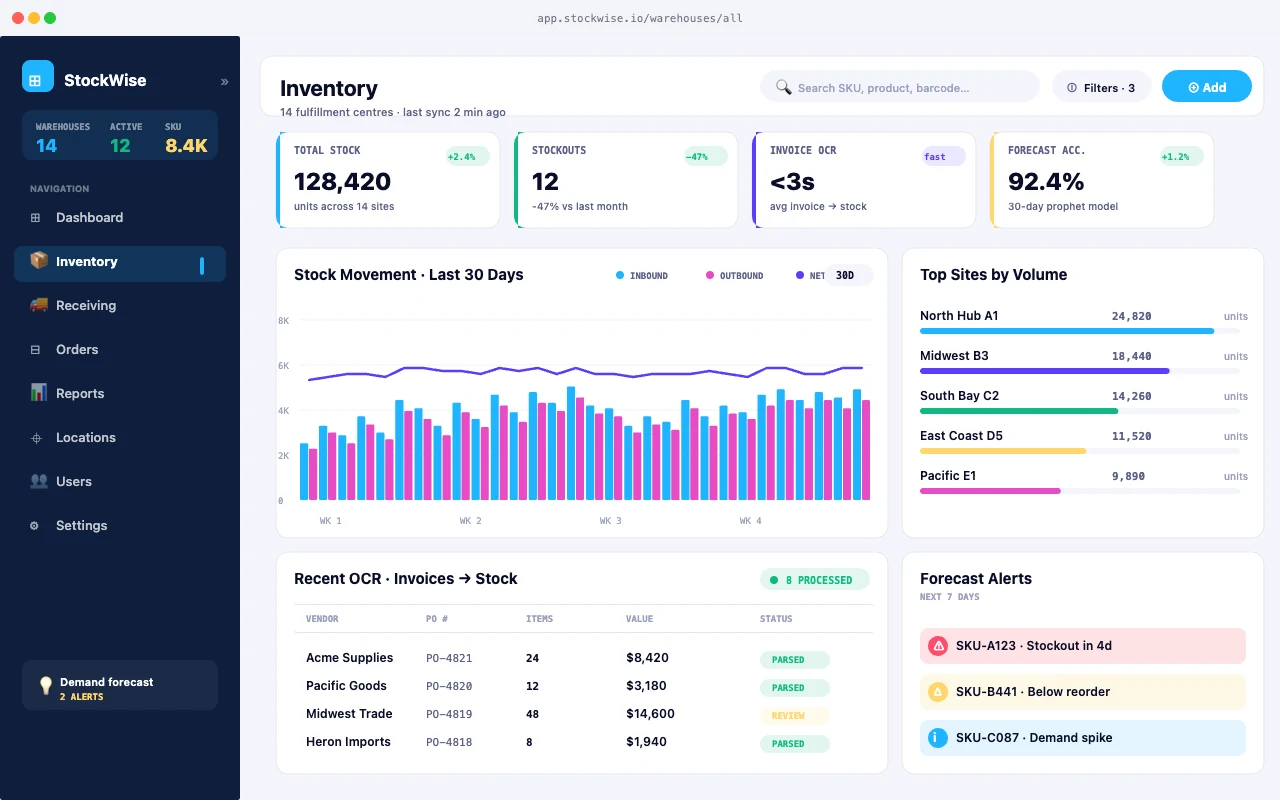
Invoices, forms and reports ingested and turned into structured data. One system we built takes an invoice to updated stock in under three seconds.

Reporting

Generated, not assembled

Structured reports produced from raw data in seconds, instead of someone rebuilding the same spreadsheet every Monday.

Integration

The joins between systems

The gaps where data is currently moved by a person copying between two tools that were never designed to talk.

Accuracy

Fewer hands, fewer errors

Every manual transcription step removed is a class of error removed with it, usually the improvement people notice first.

Plain English

What is AI integration?

AI integration means connecting AI capabilities — language models, document understanding, retrieval, vision — to the systems a business already operates, so the intelligence shows up inside existing workflows instead of in yet another tool. Done well, nobody "uses the AI"; invoices simply arrive posted, reports arrive written, and search simply finds the thing.

How We Build It

Five stages from problem to production.

The same process across every AI Development project, scaled to the size of the problem.

01

Discovery

We work out what the system actually has to do, what data exists, and what happens today when it goes wrong.

02

Design

Architecture, model choice, integration points and failure handling, defined before any of it gets built.

03

Integration

Connecting to the systems that hold your data, with security and permission boundaries handled properly.

04

Automation

The system takes on real work, in the workflows your team already uses rather than beside them.

05

Refine

Tuned against real usage and measured with evals, because how people use a system is never quite how it was designed.

Use Cases

Where AI integration pays off.

The patterns we see deliver, across startups, SMEs and enterprise teams.

ERP

AI inside your ERP

Document-to-entry automation, anomaly flags and natural-language queries over the system of record — see our ERPNext AI integration work.

Product

AI features in your software

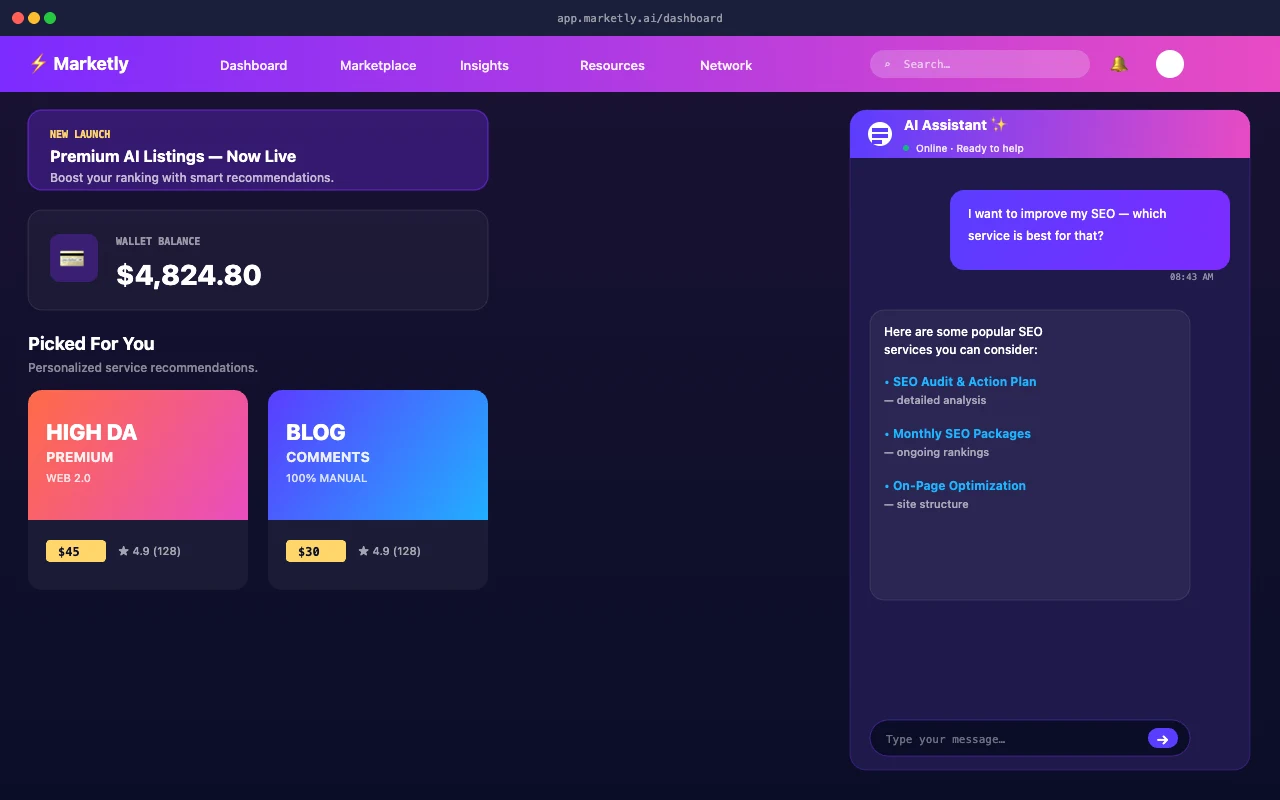
LLM-powered features shipped inside your own product: summarisation, drafting, search, extraction — designed for your data and your users.

Back office

Finance and admin automation

Invoice processing, reconciliation flags and report generation running inside the tools your finance team already uses.

Knowledge

Search that finds things

Retrieval across the systems where answers actually live, replacing the four-tabs-and-a-guess workflow.

Related Work

Systems we have shipped.
What Teams Say

Hear from the teams we work with.

“We needed a voice agent that could actually qualify leads, not a chatbot pretending to be one. The team shipped a sub-700ms pipeline in 6 weeks. It now handles 5k calls a day.”
Priya RajHead of Growth, Ninjatech
“What sold us was their willingness to put AI engineers and product designers on the same call. We got working prototypes by week two and a production rollout in three months.”
James ThorntonCTO, Allindex
“AGI designed a CRM system tailored to our client management process. It is intuitive, reliable, and has centralized all our communication and history in one dashboard. This has greatly improved client retention.”
Carlos MendesProduct Manager, Qilinlab
Common Questions

Before you get in touch.

Do we have to replace our existing systems?

No, and we would usually advise against it. This work is specifically about automating inside what you already run. A replacement project is a much bigger and riskier undertaking.

What is worth automating first?

High-volume, rule-shaped, currently manual, and painful when it goes wrong. If you are not sure which of your processes fit, that is what the AI Strategy engagement is for.

Can you add AI features to our own product?

Yes. Alongside internal automation, we build LLM-powered features into client products: drafting, summarisation, extraction and search, with evals and cost controls so the feature survives real usage.

What happens when the AI gets it wrong?

It will sometimes. Good automation is designed around that: confidence thresholds, review queues for edge cases, and an audit trail so a wrong result can be found and corrected rather than silently absorbed.

Talk to us about ai integration.

Tell us what the system would need to do and what it is replacing. We will tell you whether it is worth building and roughly what it takes.