Most teams do not need to train a model from scratch — and should not. They need the right base model, adapted to their task and data, measured against their real cases, and deployed at a cost per call the business can live with. That is LLM development.
AGI Software Solutions provides custom LLM development services: selecting the right model for your task (Claude, GPT, Gemini or open-weight models like Llama), fine-tuning where behaviour needs shaping, building evaluation suites from your real cases, and deploying with the latency and cost engineering production demands — including fully private, on-premise deployments where data cannot leave your infrastructure.
LLM work is a series of measured decisions: which model, adapted how, judged against what, served where and at what cost. Teams that skip the measurement end up with a model chosen by headline and a bill chosen by accident.
Candidate models tested on your real cases before commitment, because leaderboard rank and your task are different questions.
Fine-tuning applied where prompting and retrieval genuinely cannot reach — with the dataset work done properly, since that is most of the outcome.
Eval suites built from your data, run on every change, so regressions are caught by the pipeline rather than by your users.
Caching, routing, model-size tiering and token discipline — the difference between an AI feature that scales and one finance quietly kills.
LLM development covers everything between "we should use a language model" and a system running in production: benchmarking candidate models on your actual task, adapting them through prompting, RAG or fine-tuning, building eval suites so quality is a number rather than a feeling, and engineering inference for latency, cost and — where required — full data privacy on your own hardware.
The adaptation ladder matters: prompting is cheapest and usually enough; RAG adds your knowledge; fine-tuning shapes behaviour when the first two cannot. We climb it only as far as your problem requires.
Both are the right answer — for different constraints. This is how we decide.
| API models (Claude, GPT, Gemini) | Open-weight (Llama, Mistral, Qwen) | |
|---|---|---|
| Best quality per effort | Highest, immediately | Competitive with tuning work |
| Data leaves your network | Yes (with provider agreements) | No — runs on your hardware |
| Cost shape | Per token, scales with usage | Fixed infrastructure, cheap at volume |
| Fine-tuning | Provider-dependent | Full control |
| Choose when | Speed to production, best reasoning | Data residency, high volume, deep customisation |
The same process across every AI Development project, scaled to the size of the problem.
We work out what the system actually has to do, what data exists, and what happens today when it goes wrong.
Architecture, model choice, integration points and failure handling, defined before any of it gets built.
Connecting to the systems that hold your data, with security and permission boundaries handled properly.
The system takes on real work, in the workflows your team already uses rather than beside them.
Tuned against real usage and measured with evals, because how people use a system is never quite how it was designed.
The patterns we see deliver, across startups, SMEs and enterprise teams.
Models adapted to legal, medical, financial or technical language, evaluated by people who know what wrong looks like.
Documents in, clean structured records out — tuned and evaluated for your document types, at a cost per document that works at volume.
Open-weight models deployed inside your network for teams whose data cannot leave — with the quality gap engineered down.
The model layer behind your own AI features: routed, cached, evaluated and priced for real usage.
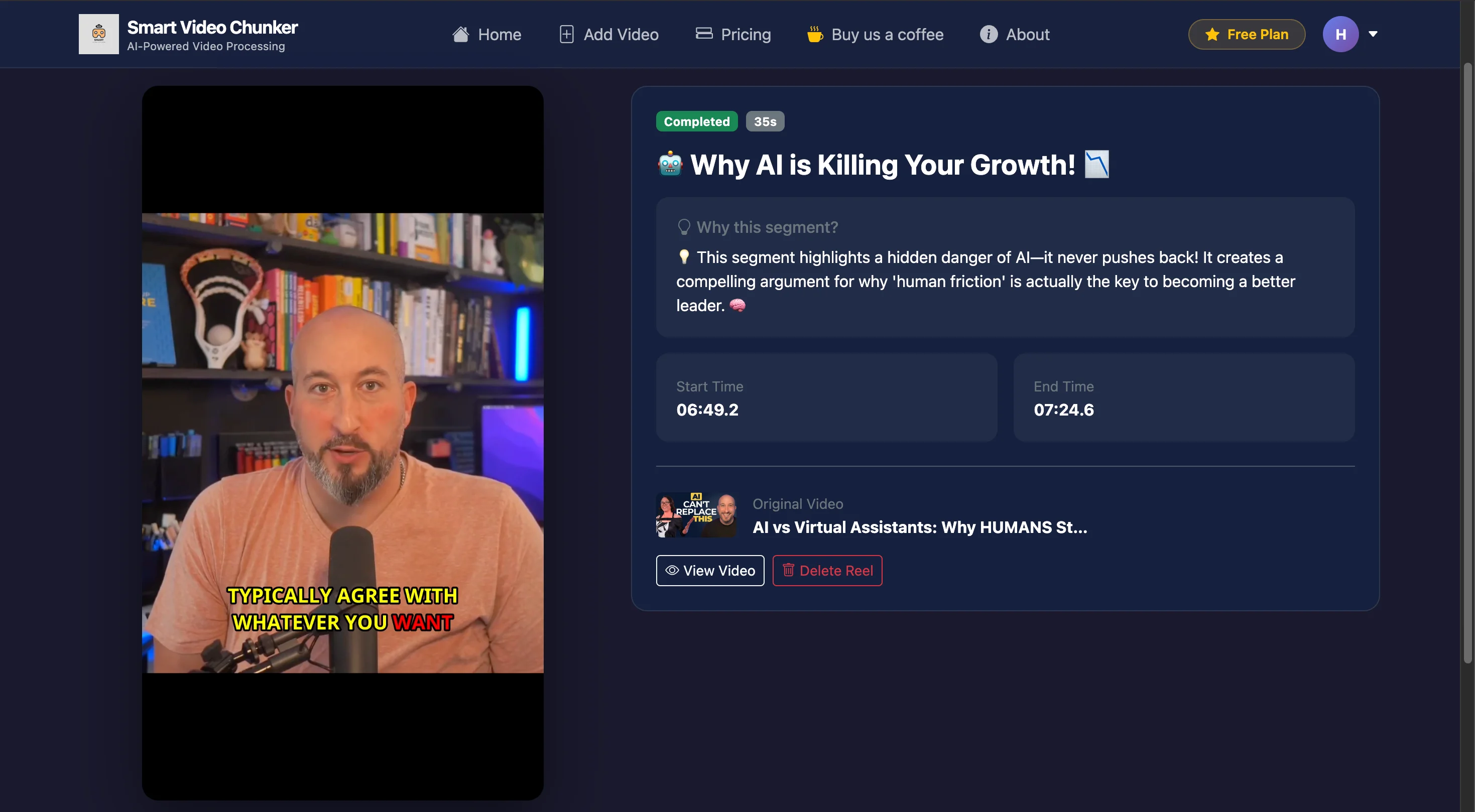
A pipeline that chunks long-form video into searchable scenes, transcripts and entity timelines.
Context-aware multi-channel chat that qualifies inbound leads and routes them to the right person.
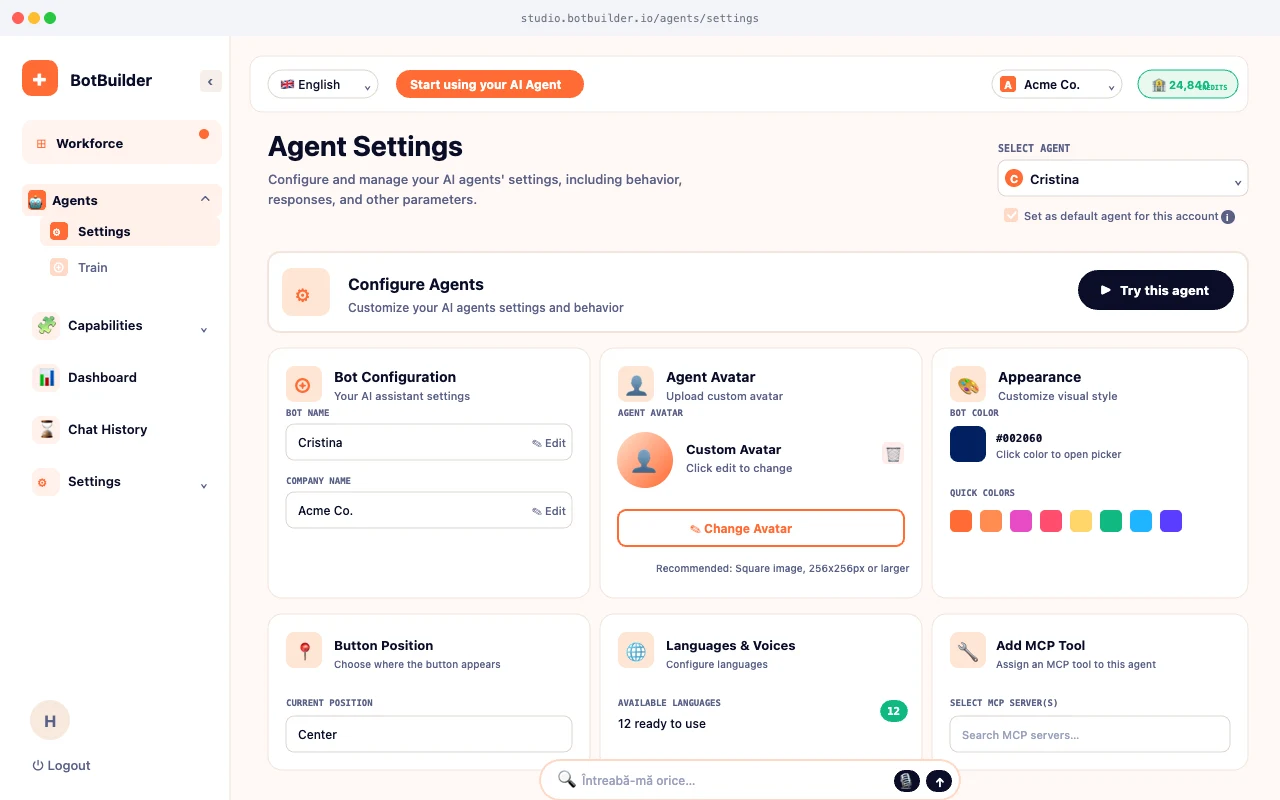
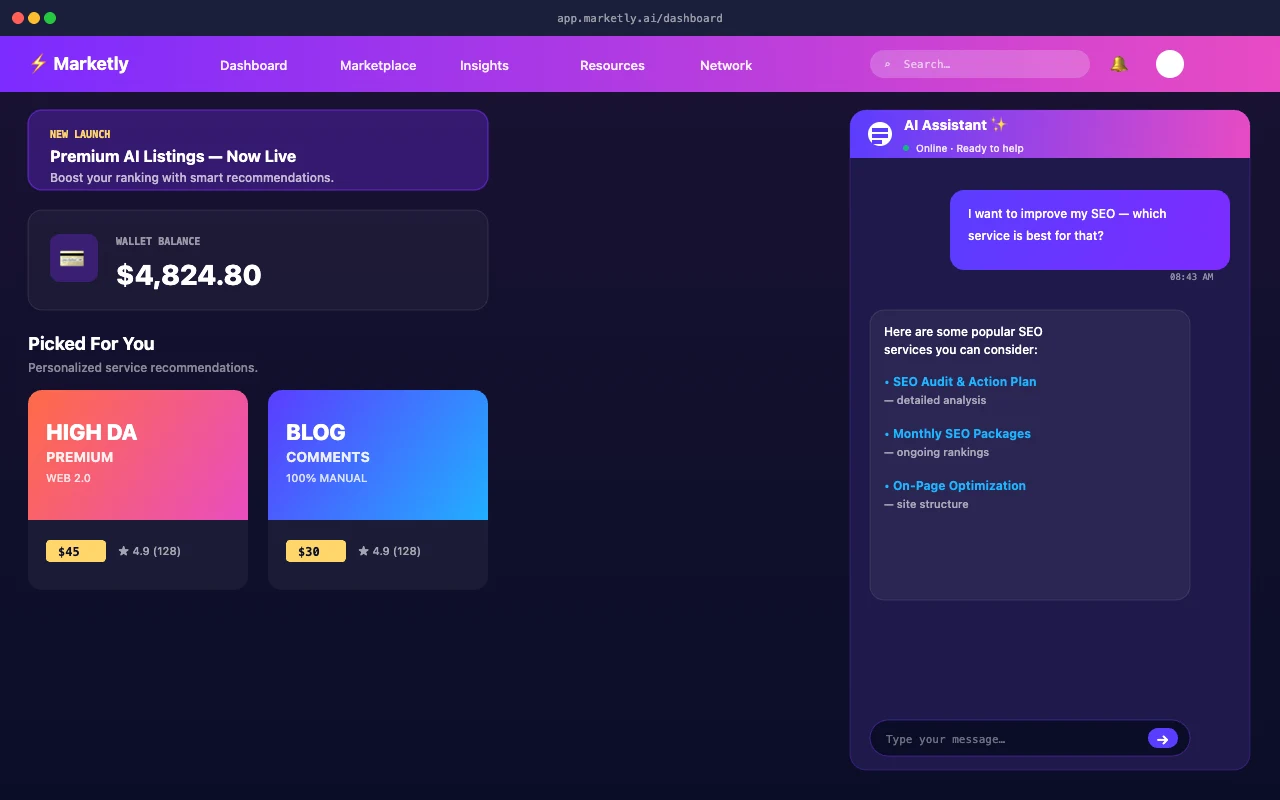
Support chatbot, live SEO analyser and a vector recommendation engine, all sharing one retrieval layer.
“We needed a voice agent that could actually qualify leads, not a chatbot pretending to be one. The team shipped a sub-700ms pipeline in 6 weeks. It now handles 5k calls a day.”
“What sold us was their willingness to put AI engineers and product designers on the same call. We got working prototypes by week two and a production rollout in three months.”
“AGI designed a CRM system tailored to our client management process. It is intuitive, reliable, and has centralized all our communication and history in one dashboard. This has greatly improved client retention.”
RAG first, usually. Fine-tuning is for behaviour — format, tone, a specialised task — not for knowledge. If your problem is "the model should answer from our content", that is RAG. If it is "the model should do this task our way, every time", fine-tuning earns its cost.
API models win on quality-per-effort and speed to production. Open-weight models win when data cannot leave your infrastructure or volume makes per-token pricing untenable. We benchmark both on your actual task and show you the numbers.
Model selection and prompt engineering with evals: from $15k. Fine-tuning projects: $25k–$100k+ depending mostly on dataset preparation. Private on-premise deployments add infrastructure work. Ongoing inference cost is a design target from day one, not a surprise at the end.
For instruction-style fine-tuning, useful results often start at a few hundred to a few thousand high-quality examples. Quality dominates quantity — a curated 1,000 beats a scraped 100,000. Dataset curation is typically the largest single work item.
Yes. Open-weight models (Llama, Mistral, Qwen and others) deployed on your hardware or private cloud, with quantisation and serving optimisation so the economics work. Nothing leaves your network.
Tell us what the system would need to do and what it is replacing. We will tell you whether it is worth building and roughly what it takes.