You probably do not need an AI product. You need three or four places in the software you already have where a model removes a step someone currently does by hand — and a straight answer on what each one costs to run at your volume.
AGI Software Solutions adds AI features to applications already in production — semantic search, summarisation, drafting, classification, document extraction and prediction — built into your existing codebase and shipped behind feature flags. Individual features typically run $8k–$25k each, with the first one live in 3–6 weeks, and every feature ships with a measured per-user running cost so the unit economics are known before it reaches all your customers.
The version of this project that fails is a six-month “AI platform” nobody asked for. The version that works is one feature at a time, each with an owner, a metric, and a running cost you can defend to whoever signs the invoice.
Each feature scoped, shipped and measured on its own, so value lands in weeks and a disappointing idea costs weeks rather than quarters.
Every feature ships with a per-user and per-action cost at your real volume. An AI feature whose unit economics you cannot state is a liability waiting for a usage spike.
Rolled out to a cohort behind a feature flag, with evals over a fixed set of real cases, so quality is a number rather than an impression.
When the model is slow, unavailable or unsure, the feature falls back to the previous behaviour instead of failing the page for everyone.
AI-enabling an existing application means adding model-backed capability to software already in production, without rebuilding it. In practice that is a small set of well-understood patterns: retrieval over your own data, summarising long records, drafting a first version of something a person finishes, classifying and routing incoming work, extracting structure out of documents, and predicting a number from history.
The engineering that decides whether it survives sits around the model, not inside it: where the context comes from, what happens when the model is slow or unavailable, how output quality is measured, and what a call costs at your real traffic. Skipping that is why so many AI features ship to applause and get quietly switched off two quarters later.
Sometimes the add-on is genuinely the right call. This is the split we use.
| Vendor AI add-on | Built into your app | |
|---|---|---|
| Data access | Whatever the connector exposes | Anything your application already has |
| Where it appears | A panel bolted to the side | Native to the screen it belongs on |
| Cost shape | Per seat or per action, forever | Build once, then metered API usage |
| Your data | Leaves your boundary | Stays inside it |
| Time to first value | Days | 3–6 weeks |
| Right choice when | The need is generic and urgent | The feature touches your core workflow |
The same process across every AI Development project, scaled to the size of the problem.
We work out what the system actually has to do, what data exists, and what happens today when it goes wrong.
Architecture, model choice, integration points and failure handling, defined before any of it gets built.
Connecting to the systems that hold your data, with security and permission boundaries handled properly.
The system takes on real work, in the workflows your team already uses rather than beside them.
Tuned against real usage and measured with evals, because how people use a system is never quite how it was designed.
The patterns we see deliver, across startups, SMEs and enterprise teams.
Semantic search across your own records, so people find the right thing by describing it rather than guessing the keyword your schema happens to use.
First drafts of replies, notes and reports generated from the record already open, for a person to edit rather than write from a blank box.
Structured fields pulled out of PDFs, images and email attachments and written straight into your database, with low-confidence cases queued for review.
Churn risk, demand, ETA or priority predicted from your own history and surfaced on the screen where the decision actually gets made.
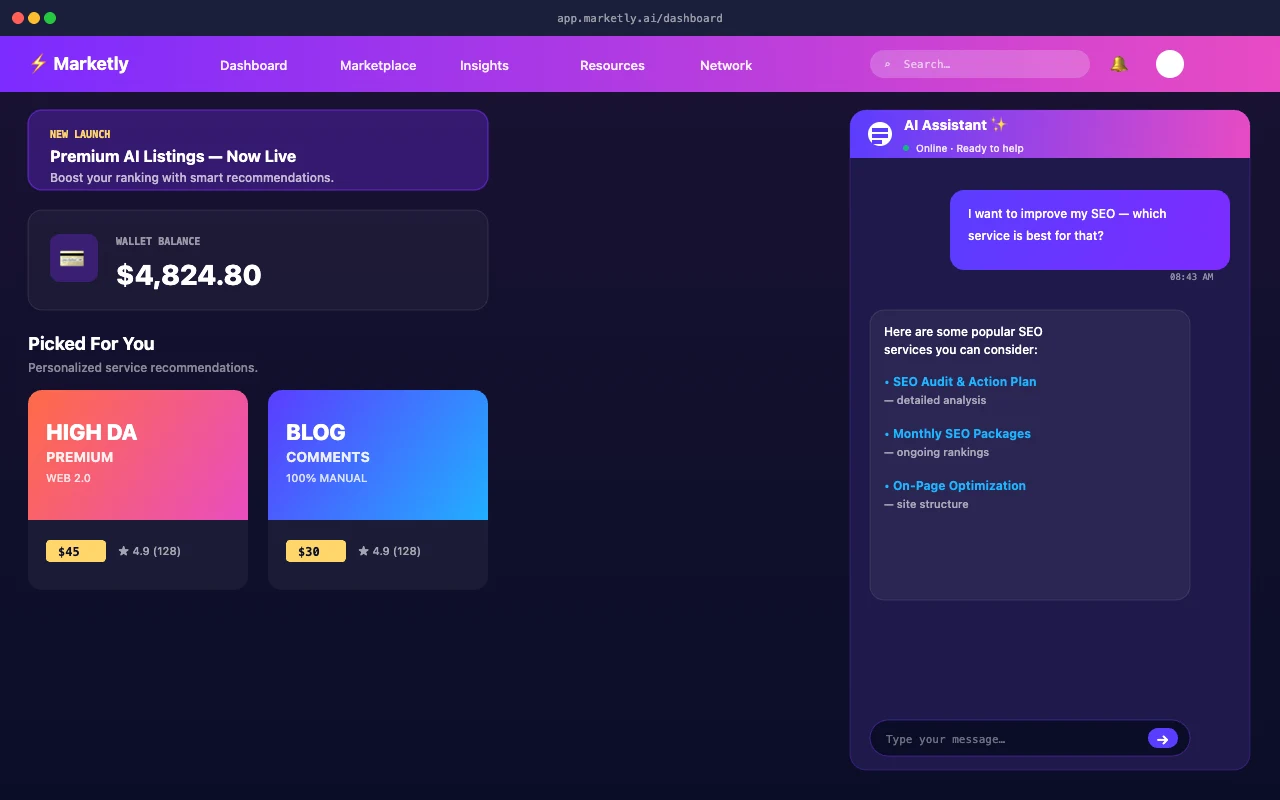
Support chatbot, live SEO analyser and a vector recommendation engine, all sharing one retrieval layer.
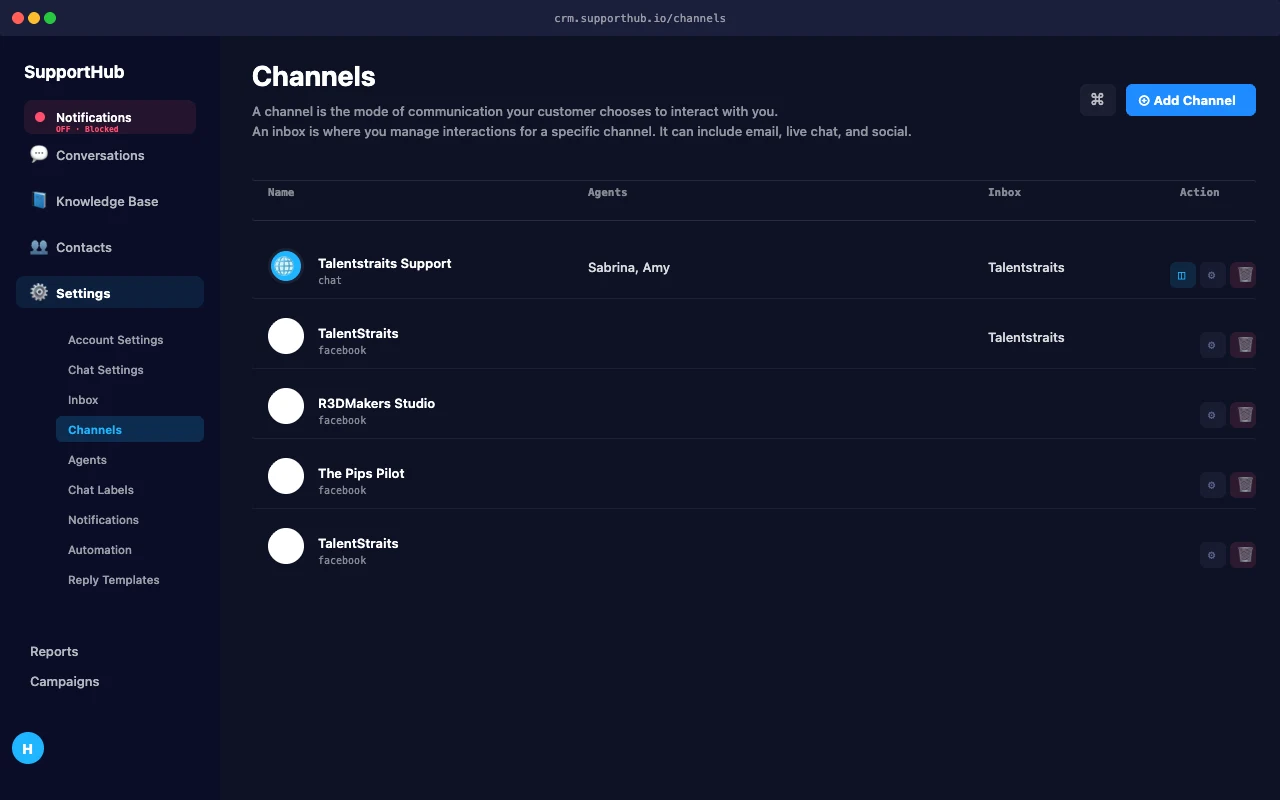
One inbox across web chat, email, WhatsApp and Facebook, with AI replies trained on past resolutions.
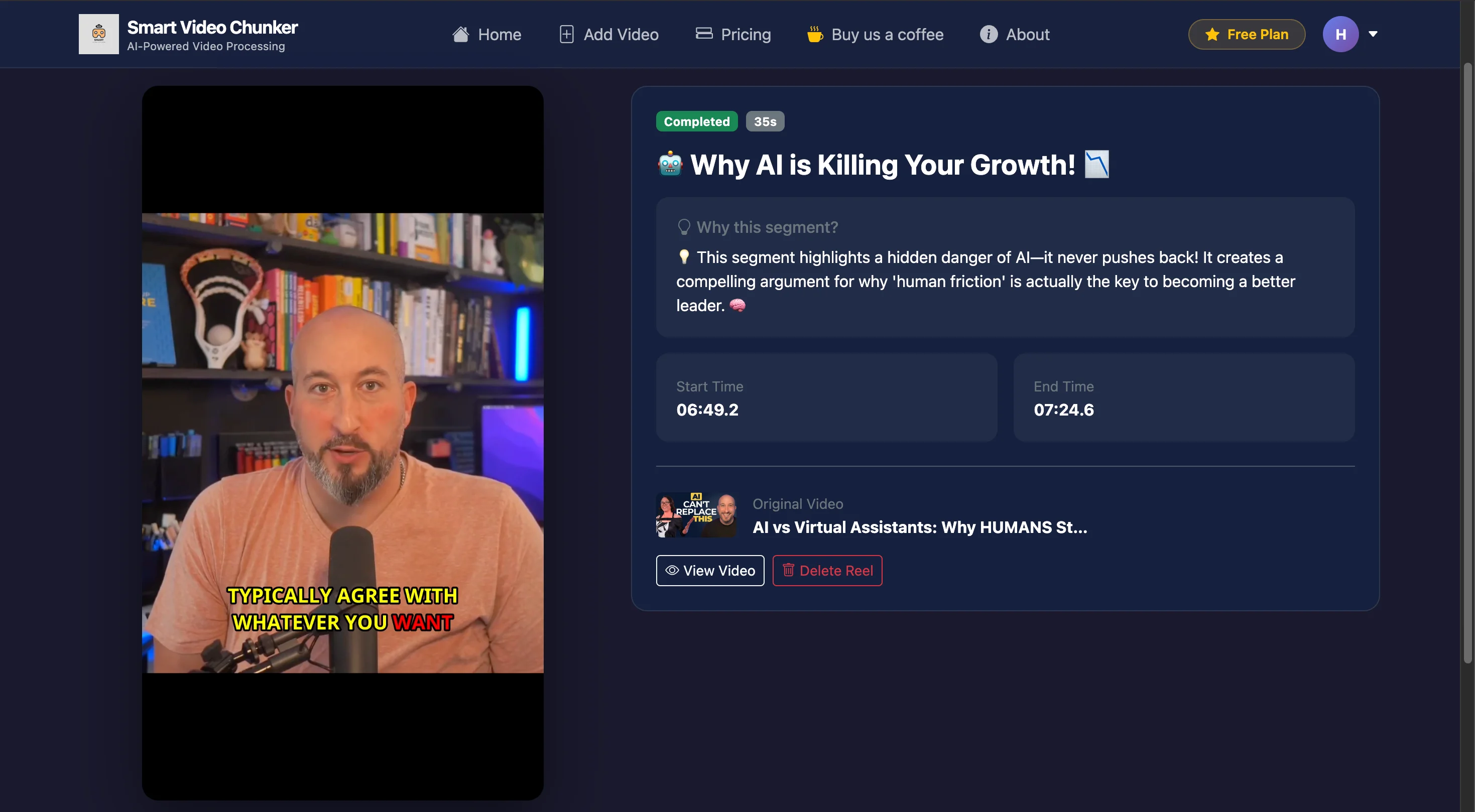
A pipeline that chunks long-form video into searchable scenes, transcripts and entity timelines.
“We needed a voice agent that could actually qualify leads, not a chatbot pretending to be one. The team shipped a sub-700ms pipeline in 6 weeks. It now handles 5k calls a day.”
“What sold us was their willingness to put AI engineers and product designers on the same call. We got working prototypes by week two and a production rollout in three months.”
“AGI designed a CRM system tailored to our client management process. It is intuitive, reliable, and has centralized all our communication and history in one dashboard. This has greatly improved client retention.”
A single well-scoped feature typically runs $8k–$25k depending on whether it needs retrieval infrastructure. A programme of four to six features, with shared retrieval, evals and cost monitoring, runs $50k–$120k. The features that cost most are the ones touching messy documents; the ones that cost least are usually the highest-value.
No. We work inside your existing codebase, in your stack, behind your feature flags. If a specific area has no clean interface to build against we add one narrowly, rather than proposing a rewrite you did not ask for.
For most features, between $0.10 and $1.50 per active user per month. We measure it during the build rather than estimating, because the real driver is how much context each call carries, and that is only knowable against your actual data. Caching and model routing typically cut the naive figure by half or more.
The one where people currently do repetitive work inside your product and you can already see it in your analytics. Search and summarisation are usually the safest openers: high usage, visible benefit, and no ability to damage anything if the output is imperfect.
Then we find that out in the first two weeks rather than the fifth month. A short data check tells you whether the signal exists before you commit to a build. Sometimes the honest answer is that the data work has to come first, and we would rather say so early.
Ground it in your own data, roll it out behind a flag to a small cohort, evaluate against a fixed set of real cases on every change, and design the feature so a wrong answer is recoverable — a draft to edit rather than an email already sent.
Tell us what the system would need to do and what it is replacing. We will tell you whether it is worth building and roughly what it takes.