The gap between a generative AI demo and a generative AI system is everything around the generation: grounding in your data, your brand's voice, review workflows, and a definition of "good" someone actually measured. We build the whole system, not the demo.
AGI Software Solutions is a generative AI development company building custom GenAI systems — document and proposal drafting, content pipelines, copilots and multimodal generation — grounded in your own data, matched to your brand voice, and wrapped in the review workflows that make AI-generated work safe to ship. Every system leaves with evals attached, so quality is measured rather than assumed.
Any model can produce a plausible draft. A production system produces drafts from your data, in your voice, with a human review step sized to the risk — and gets measurably better as your team corrects it.
Drafts assembled from your CRM, documents and history — so the proposal quotes the right pricing and the report cites real numbers.
Style, terminology and structure encoded into the system rather than re-explained in every prompt.
Review steps sized to risk: light-touch for internal drafts, mandatory sign-off for anything that leaves the building.
Output evals and acceptance-rate tracking, so "is it good?" has an answer that is not an opinion.
Custom generative AI solutions are systems that produce work product — documents, reports, content, designs, code — using large language and multimodal models, but built around one organisation: grounded in its data, tuned to its voice and standards, integrated into its tools, and gated by its review process. The distinction from consumer AI tools is that the output starts from your context, not from a blank prompt.
ChatGPT is excellent. It is also generic, and quality depends on whoever wrote the prompt that day.
| Consumer AI tools | Custom generative AI system | |
|---|---|---|
| Starting context | A blank prompt, every time | Your data, pulled in automatically |
| Output consistency | Depends on the prompter | Templates, voice and rules built in |
| Review workflow | Copy-paste and hope | Draft → review → publish, tracked |
| Quality over time | Static | Improves from corrections and evals |
| Right choice when | Individual productivity | A recurring output the business depends on |
The same process across every AI Development project, scaled to the size of the problem.
We work out what the system actually has to do, what data exists, and what happens today when it goes wrong.
Architecture, model choice, integration points and failure handling, defined before any of it gets built.
Connecting to the systems that hold your data, with security and permission boundaries handled properly.
The system takes on real work, in the workflows your team already uses rather than beside them.
Tuned against real usage and measured with evals, because how people use a system is never quite how it was designed.
The patterns we see deliver, across startups, SMEs and enterprise teams.
First drafts assembled from CRM data, past terms and your templates — 40 minutes of assembly work down to a 90-second review.
Product descriptions, campaign variants and localised copy generated at volume, inside brand rules, with human sign-off where it counts.
The written commentary around your numbers — board packs, client reports, summaries — drafted from the data itself.
Assistants that draft in your team's context: support replies, specs, documentation — grounded in how your organisation actually writes them.
Context-aware multi-channel chat that qualifies inbound leads and routes them to the right person.
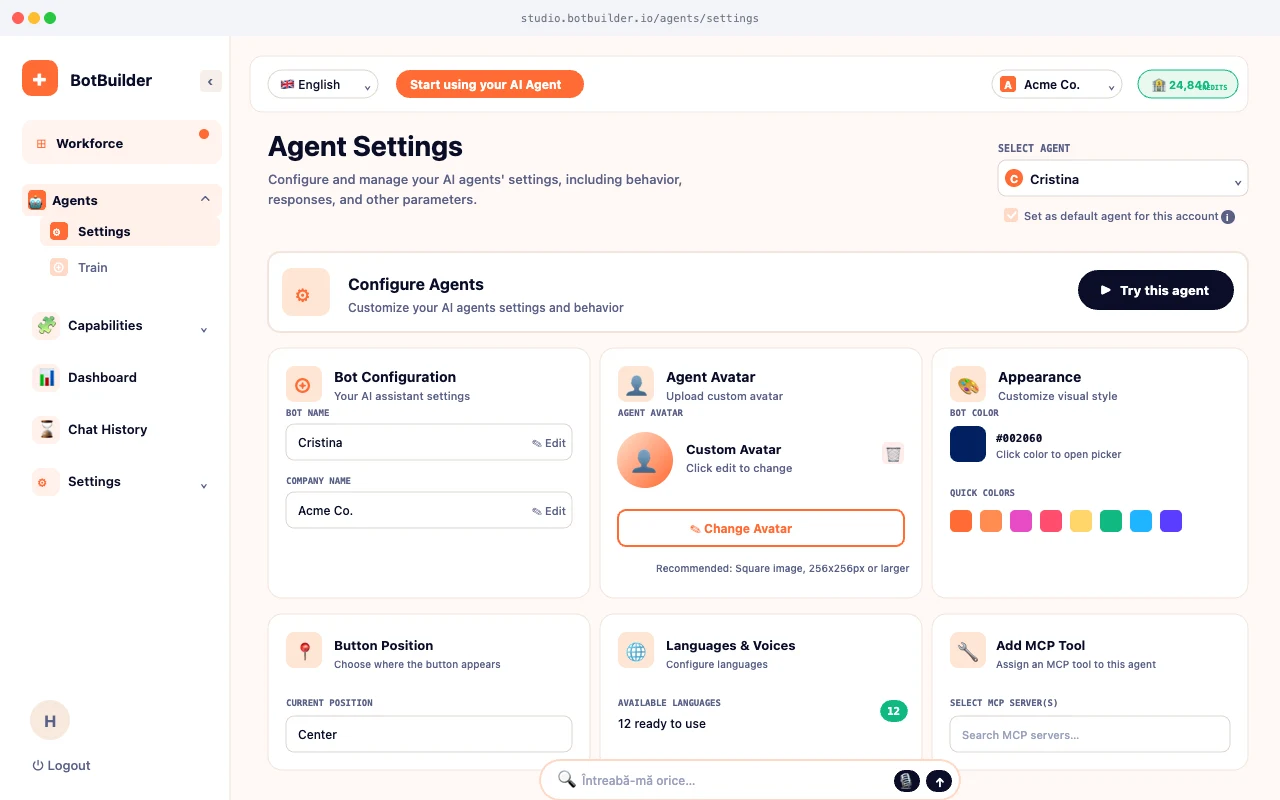
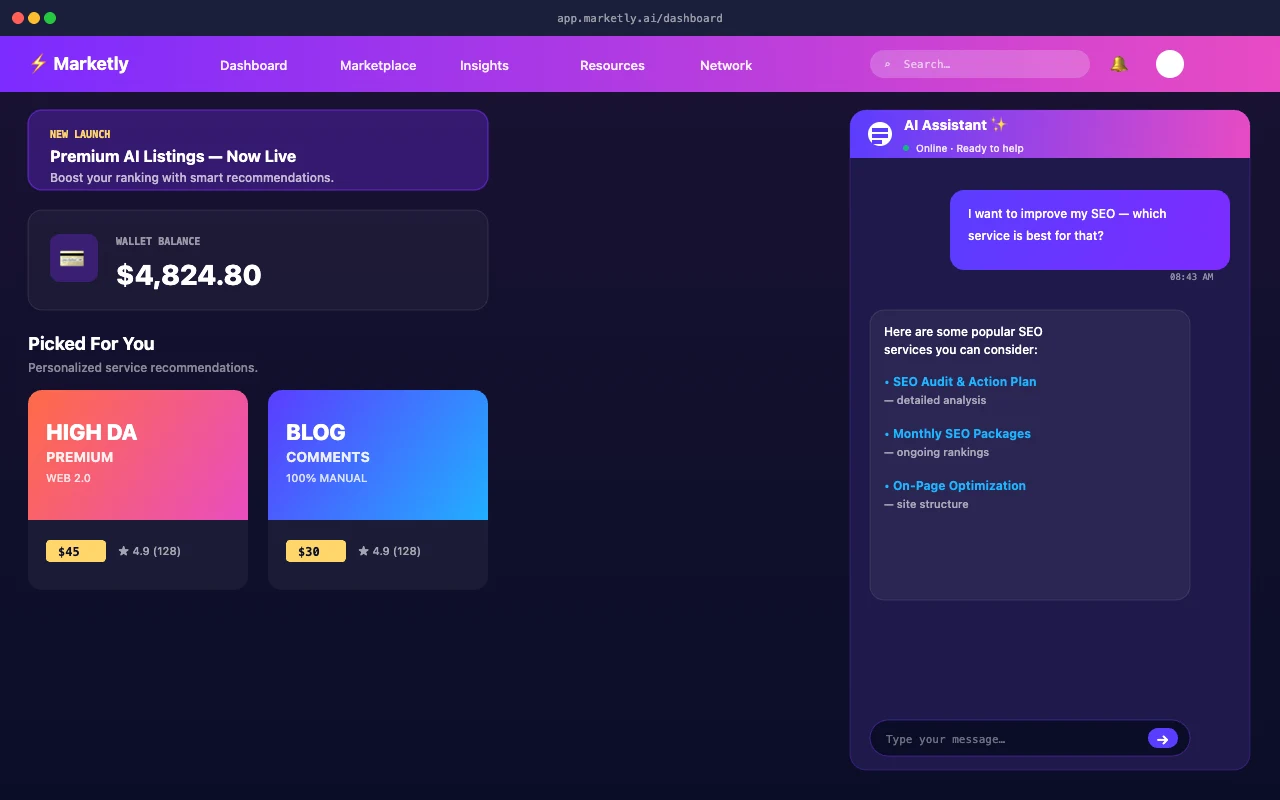
Support chatbot, live SEO analyser and a vector recommendation engine, all sharing one retrieval layer.
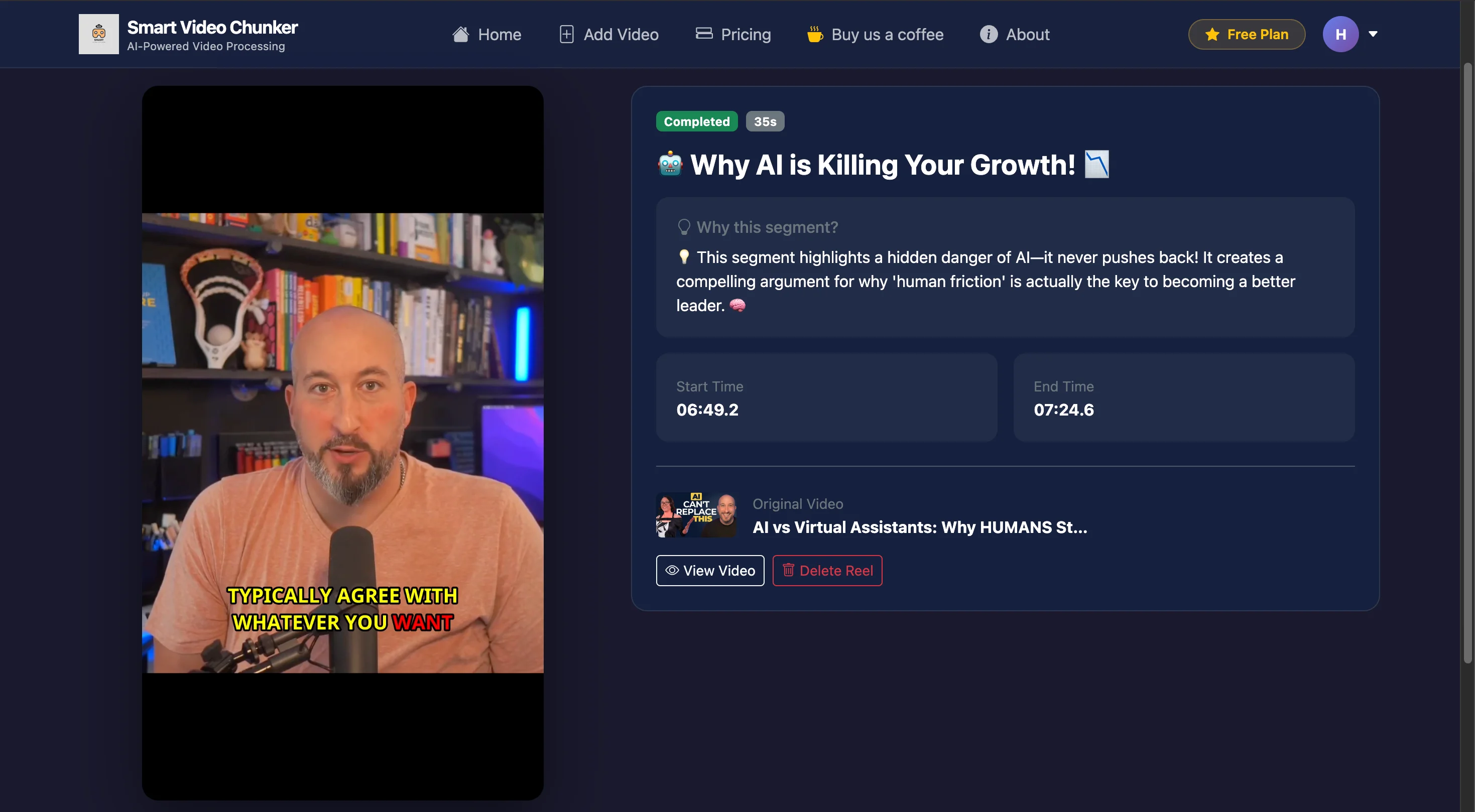
A pipeline that chunks long-form video into searchable scenes, transcripts and entity timelines.
“We needed a voice agent that could actually qualify leads, not a chatbot pretending to be one. The team shipped a sub-700ms pipeline in 6 weeks. It now handles 5k calls a day.”
“What sold us was their willingness to put AI engineers and product designers on the same call. We got working prototypes by week two and a production rollout in three months.”
“AGI designed a CRM system tailored to our client management process. It is intuitive, reliable, and has centralized all our communication and history in one dashboard. This has greatly improved client retention.”
Recurring written and visual output with a clear pattern: proposals, reports, product content, support replies, documentation. The best candidates are high-volume, template-shaped and currently eating skilled people's time. One-off creative work is a much weaker case.
Ungrounded generation will. That is why our systems draft from retrieved facts — your data, your documents — and why outputs that leave the building pass a human review step. Grounding plus review is the honest answer; no vendor can promise zero.
A focused generation workflow (one output type, one data source) typically runs $20k–$50k. Multi-source systems with review workflows and brand controls run $50k–$150k. Ongoing cost is mostly model usage, engineered down with caching and routing.
No. Your content grounds generation at request time and is never used to train external models. Where even API access is too much exposure, we deploy open-weight models inside your network.
Tell us what the system would need to do and what it is replacing. We will tell you whether it is worth building and roughly what it takes.