Visual checking is slow, tiring and inconsistent, and it caps the hours your operation can run. Our computer vision development services build custom machine learning models for object detection, image recognition and visual inspection that do it continuously, in the cloud where that works and on edge hardware where it has to.
Off-the-shelf vision APIs recognise generic objects. They do not know what a defect looks like on your line. That takes a dataset built from your own material and a model trained on it, which is most of the actual work.
A custom dataset and augmentation pipeline. On one project this took mean average precision from 0.71 to 0.94 before deployment work even started.
Quantised models deployed on device, running 38 FPS on a Jetson Orin Nano, so inference happens at line speed with no round trip.
A retraining loop fed by flagged false positives, so the cases it got wrong become the cases it gets right.
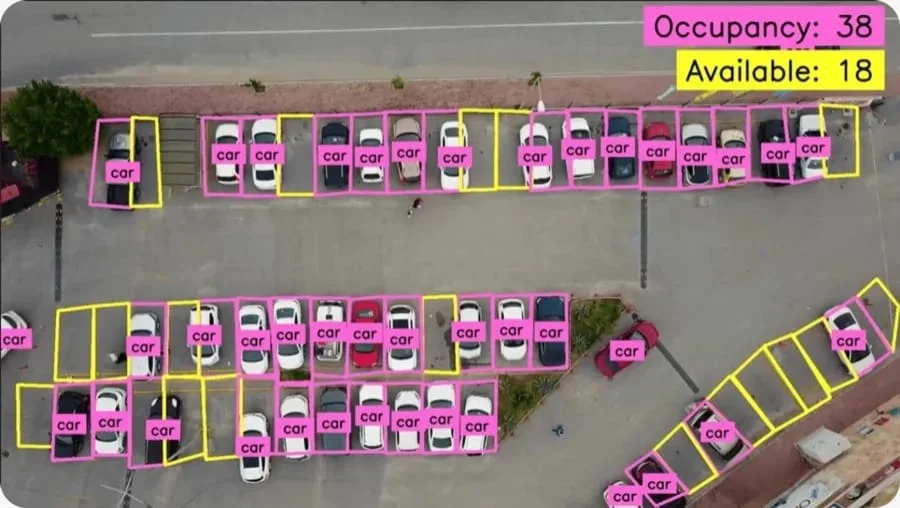
Annotated visualisations, so the people on the floor can see what the model saw and judge whether it was right.
The same process across every AI Development project, scaled to the size of the problem.
We work out what the system actually has to do, what data exists, and what happens today when it goes wrong.
Architecture, model choice, integration points and failure handling, defined before any of it gets built.
Connecting to the systems that hold your data, with security and permission boundaries handled properly.
The system takes on real work, in the workflows your team already uses rather than beside them.
Tuned against real usage and measured with evals, because how people use a system is never quite how it was designed.
Custom-trained YOLOv8 models running on edge devices, replacing manual visual QA so the line can run around the clock.
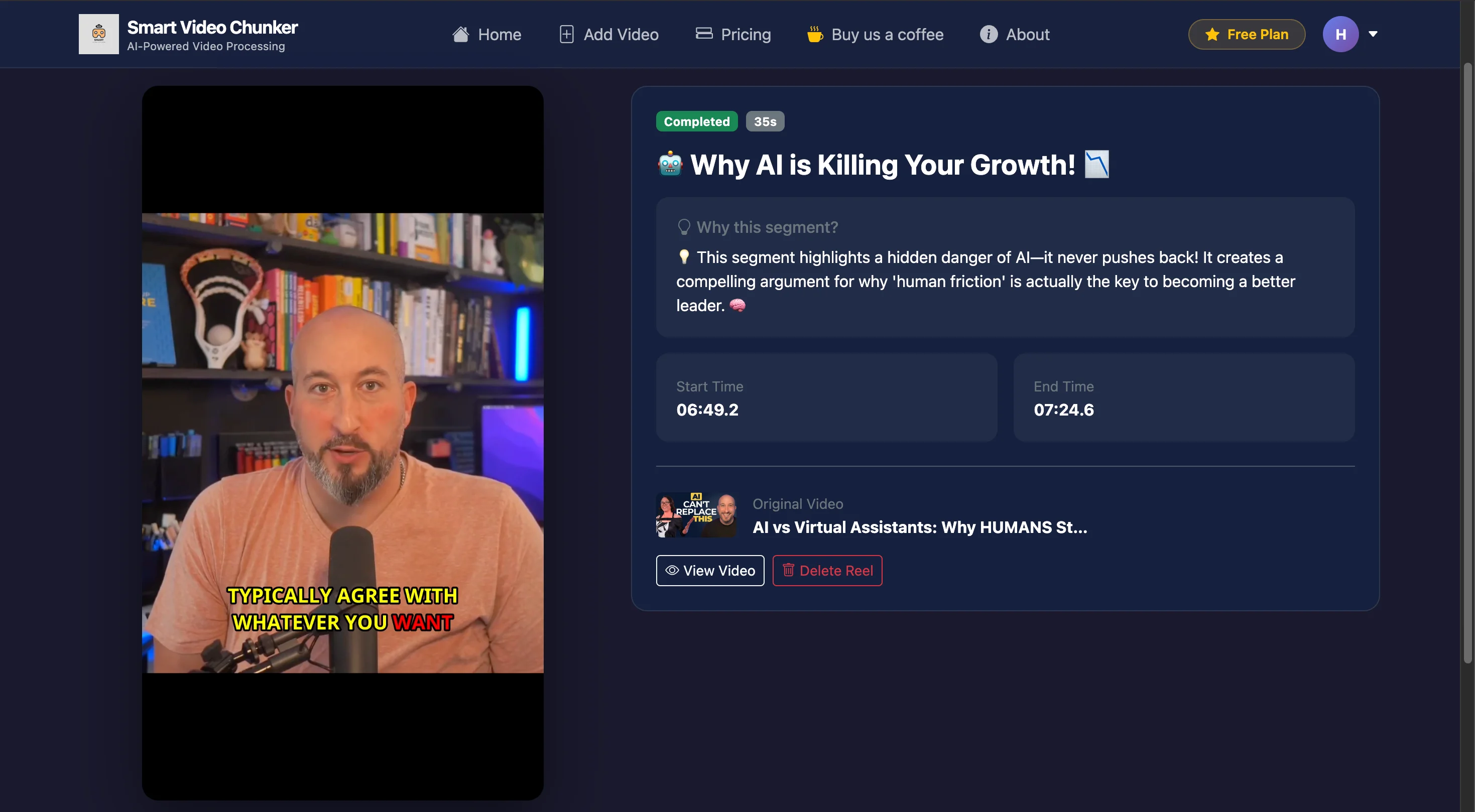
A pipeline that chunks long-form video into searchable scenes, transcripts and entity timelines.
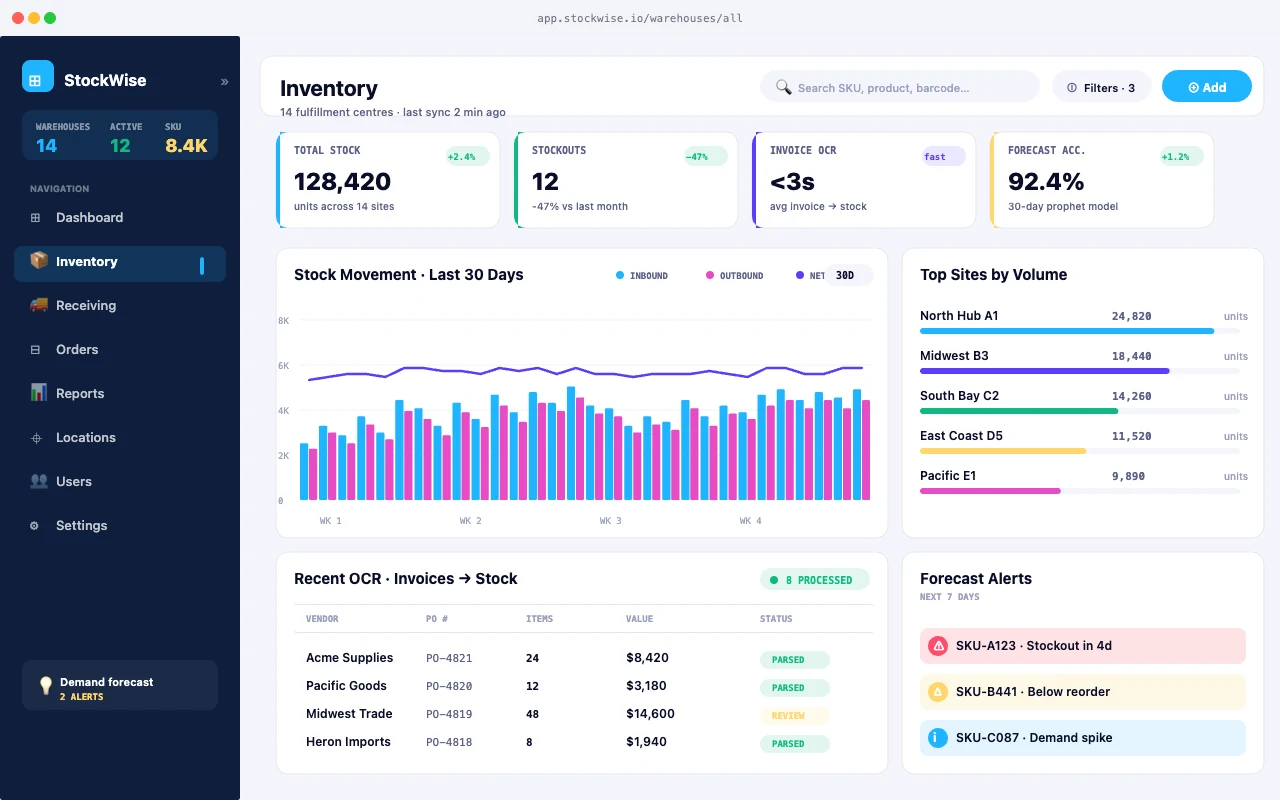
Demand forecasting, OCR-driven receiving and anomaly detection across 14 fulfilment centres.
“We needed a voice agent that could actually qualify leads, not a chatbot pretending to be one. The team shipped a sub-700ms pipeline in 6 weeks. It now handles 5k calls a day.”
“What sold us was their willingness to put AI engineers and product designers on the same call. We got working prototypes by week two and a production rollout in three months.”
“AGI designed a CRM system tailored to our client management process. It is intuitive, reliable, and has centralized all our communication and history in one dashboard. This has greatly improved client retention.”
Less than most people expect, if the augmentation pipeline is built properly. We assess what you have during scoping and tell you honestly whether it is enough to start.
Yes. Edge deployment is often the point. At line speed, sending frames to a data centre and waiting for a reply is not viable regardless of bandwidth.
It depends entirely on the task and the data. Our production inspection system runs at 99.2%. We will give you an honest estimate for yours after looking at your material, not before.
Tell us what the system would need to do and what it is replacing. We will tell you whether it is worth building and roughly what it takes.