AI is crowded with hype and changes by the week. Our AI strategy consulting starts with an AI readiness assessment and gives you a grounded view of where generative AI genuinely strengthens your business today, prioritised, costed and sequenced, so the next conversation is about approval rather than possibility.
Most organisations we meet already have twenty or thirty AI ideas floating around. What they do not have is a defensible way to say which three are worth funding, what each will cost, and which one goes first. That is what AI use case prioritisation is for.
An idea is only real if the data behind it exists, is accessible and is good enough. We check that before anything gets on a roadmap.
Each prioritised use case comes with an architecture and a build cost, so the roadmap is a budget conversation rather than a wish list.
Early projects are chosen partly because they prove value quickly. Nothing kills an AI programme faster than eighteen months before the first result.
Acceptable-use policy, data handling and review points, written so your risk and legal people can sign off rather than stall.
For organisations that need an enterprise-wide plan: multiple departments, real governance requirements, and a board or executive group that has to approve the spend.
For small and mid-sized teams that do not need an enterprise programme. They need to know what to do first, and to know it in weeks rather than quarters.
Six stages. The order matters: governance first means nothing later gets blocked by a question that should have been settled at the start.
Establish the governance and readiness framework: acceptable use, data handling, and who decides what.
Workshops that bring your teams up to a shared level, so the ideas that follow are grounded rather than speculative.
Collect use cases across the organisation, then narrow them against value, feasibility and data reality.
Take the top use cases to technical detail: architecture, integration points, build cost and sequencing.
Present a consolidated, board-ready roadmap with costings and a recommended order of work.
Hand over to your team, to us, or to a mix of both. The roadmap is written to be executable either way.
Strategy work is only worth what gets built afterwards. These are systems we have delivered, the kind of work a prioritised roadmap leads to.
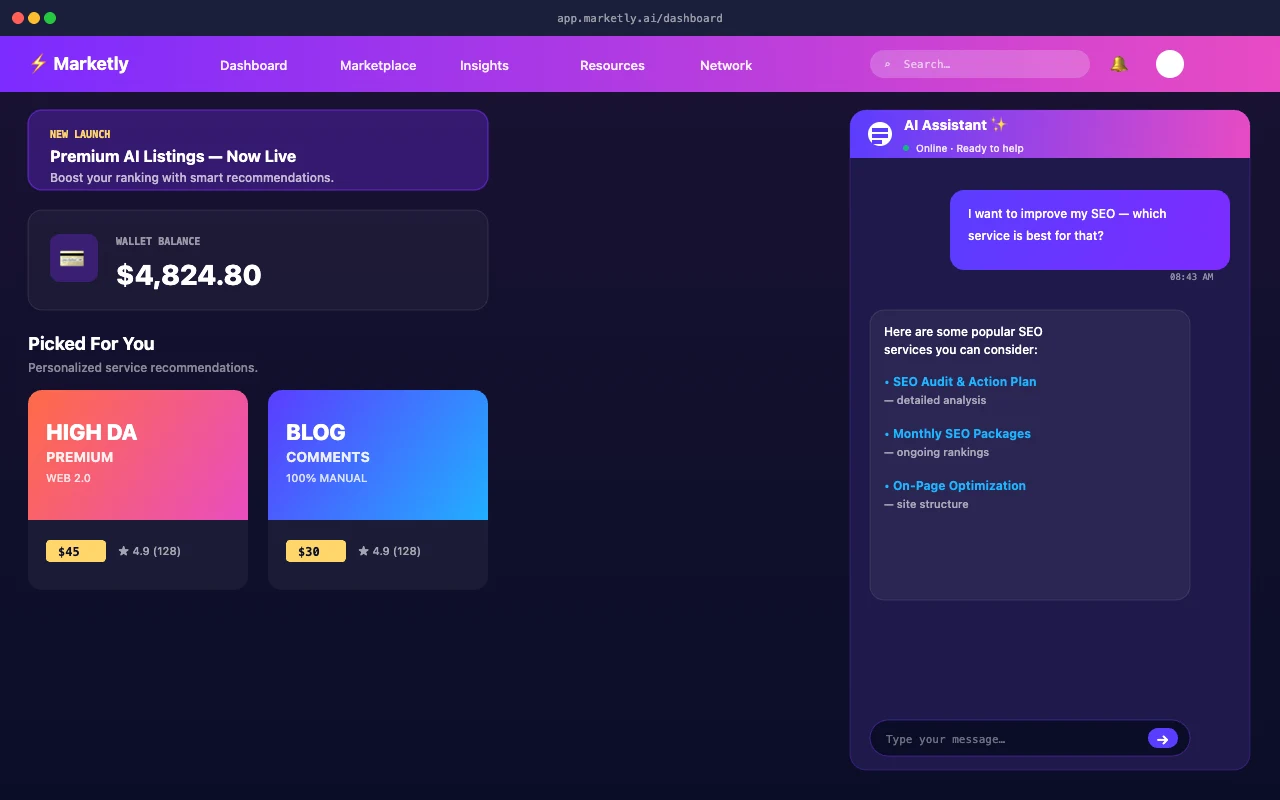
Support chatbot, live SEO analyser and a vector recommendation engine, all sharing one retrieval layer.
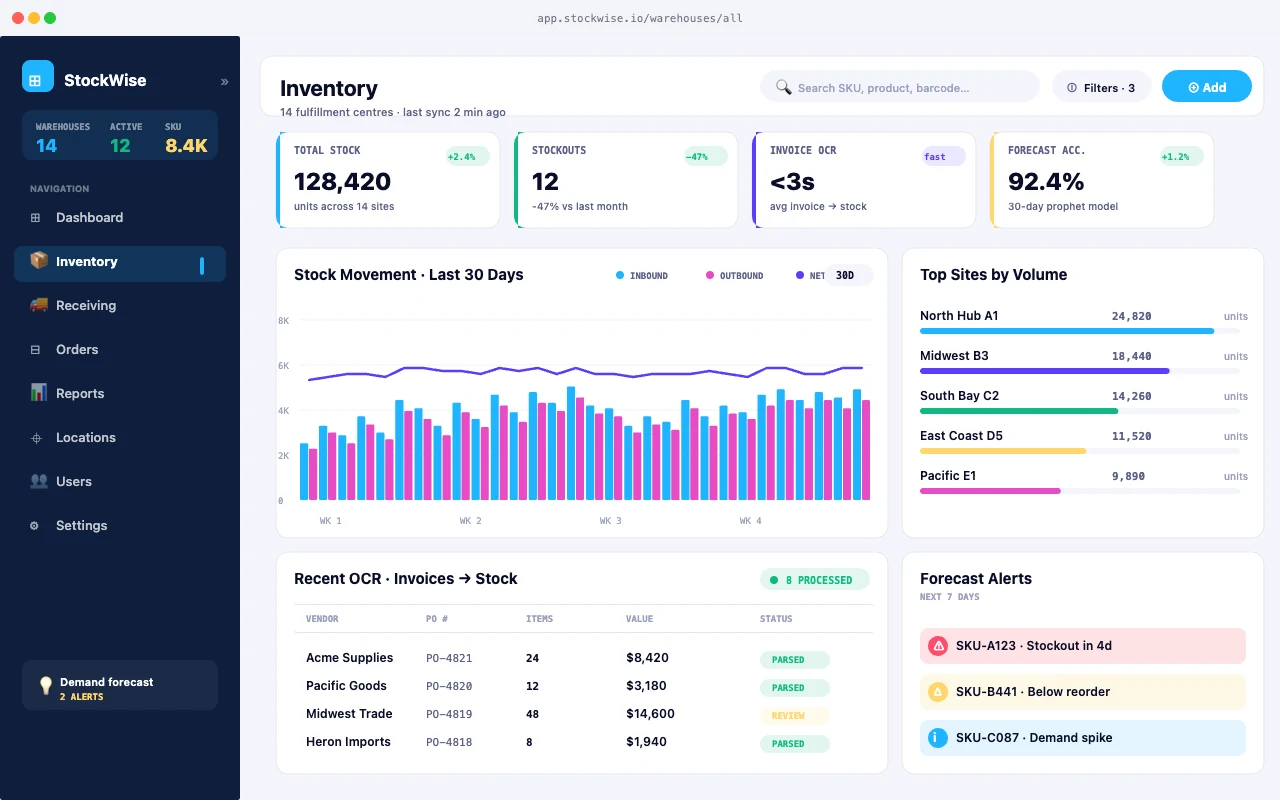
Demand forecasting, OCR-driven receiving and anomaly detection across 14 fulfilment centres.
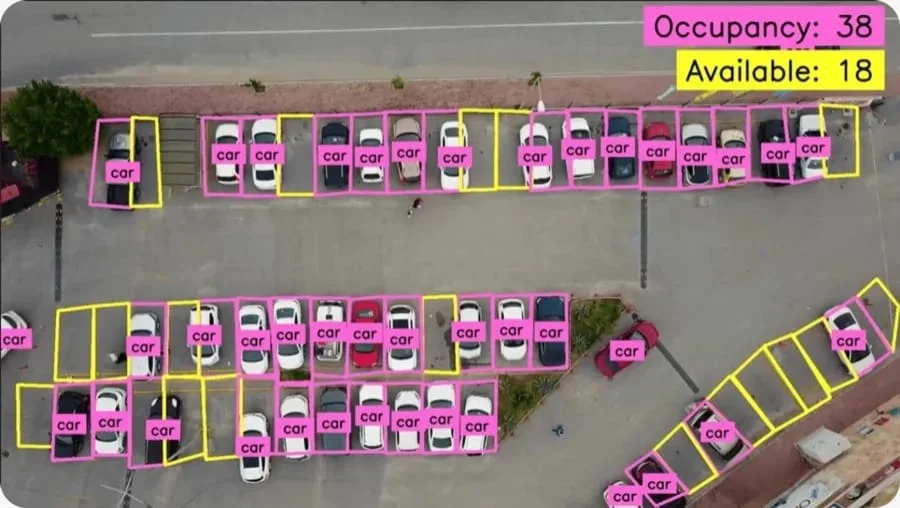
Custom-trained YOLOv8 models running on edge devices, replacing manual visual QA so the line can run around the clock.
It is a good start, and it is usually where the AI Kickstarter begins. The work is not generating more ideas. It is filtering them against feasibility, data availability and actual return, then sequencing what is left.
An AI Kickstarter typically runs a few weeks. A full AI Roadmap takes longer because it includes governance work and technical mapping across more use cases, and because it depends on getting time with people across your organisation.
No. The roadmap is written so any competent engineering team can execute it, including your own. We would like to build it, but the deliverable stands on its own.
Then we say so, and you have saved considerably more than the engagement cost. That outcome is rarer than it used to be, but it still happens and we would rather tell you early.
A structured check of whether your data, systems and processes can actually support an AI build before you fund one: where the data lives and what state it is in, which integrations are realistic, and which use cases have a measurable payoff. It is where an AI Roadmap engagement starts, and there is a short version you can run yourself in our AI readiness assessment post.
Bring the messy version. A rough sense that something should change is a perfectly good place to start. It is where most of these engagements begin.